Call Me Heaven · historical fiction about chlorine
a Super Elements novel by Canut Acier
Canut Acier is the pen name of Steele Knudson, creator of the Super Elements.
Paris, 1891. A Polish student named Maria Skłodowska comes to a fountain in Javel for clean water for her sister's baby, and meets a girl made of chlorine.
Appelle-moi Ciel is historical fiction from the Super Elements, where the elements of the periodic table are characters. Her name is Cielle, and she is chlorine. She woke in Carl Wilhelm Scheele's workshop in 1774, and she pulls: seven places on her shield are full and the eighth is empty, and she will take what she needs from anything she touches, a stain, a colour, a living germ.
For a century she does the work nobody thanks. She whitens the linen of Paris. Then the cholera comes, and she sets down the white gown for a dead drummer boy's blue coat. With her friends Oh (oxygen), Eytch (hydrogen) and Enay (sodium), she goes wherever someone with the right knowledge sends for her: Labarraque's wards, Semmelweis's basin in Vienna, the water under John Snow's pump in Broad Street, the mains at Maidstone, Jersey City.
Over a handful of autumn evenings in 1891, on the rim of a fountain in Javel, she tells her story to Maria Skłodowska, the student who will become Marie Curie. Twenty-four years later, at Ypres, chlorine is made a weapon, and it is Marie Curie who finds her in the mud.
Knowing saves. Not-knowing kills. Reading is the armour.
The chemistry is real and the history is real. Cielle and her friends are invented, and so is the hidden hand in the book that decides which true things are believed and when. The novel carries notes on what is true and what is invented, the chemistry in plain words, a timeline, and a guide for classrooms.
A shorter book for younger readers. On the rim of a forgotten fountain in Javel sits a girl of about twelve with green-yellow hair, gloves on both hands and a faint blue-white halo. Each time someone sends for her, Cielle feels the pull and goes: to Paris, Vienna, London, Hamburg and Maidstone.
The author's grandmothers, Ruth and Evelyn, went back to school together as widows and wrote their master's theses on the iconography of angels and saints: how you know each figure by what it carries. The Super Elements are drawn the same way. Each element-girl wears the military dress uniform of the year and nation where her element was first isolated; her hair is the colour of her emission spectrum; her shield is her Lewis dot diagram. The novel is dedicated to them.
Canut Acier is the pen name of Steele Knudson, who created the Super Elements: superelements.com. Also by Canut Acier: Peachfire.
The chemists, doctors and epidemics Cielle lives through are real, in the order the novel follows them. Every picture here is a historical work from a museum or archive, with its date.
Scheele isolated chlorine in his workshop and did not know what he had; he called it dephlogisticated muriatic acid. In the novel, this is where Cielle wakes.
Free lesson and handout →
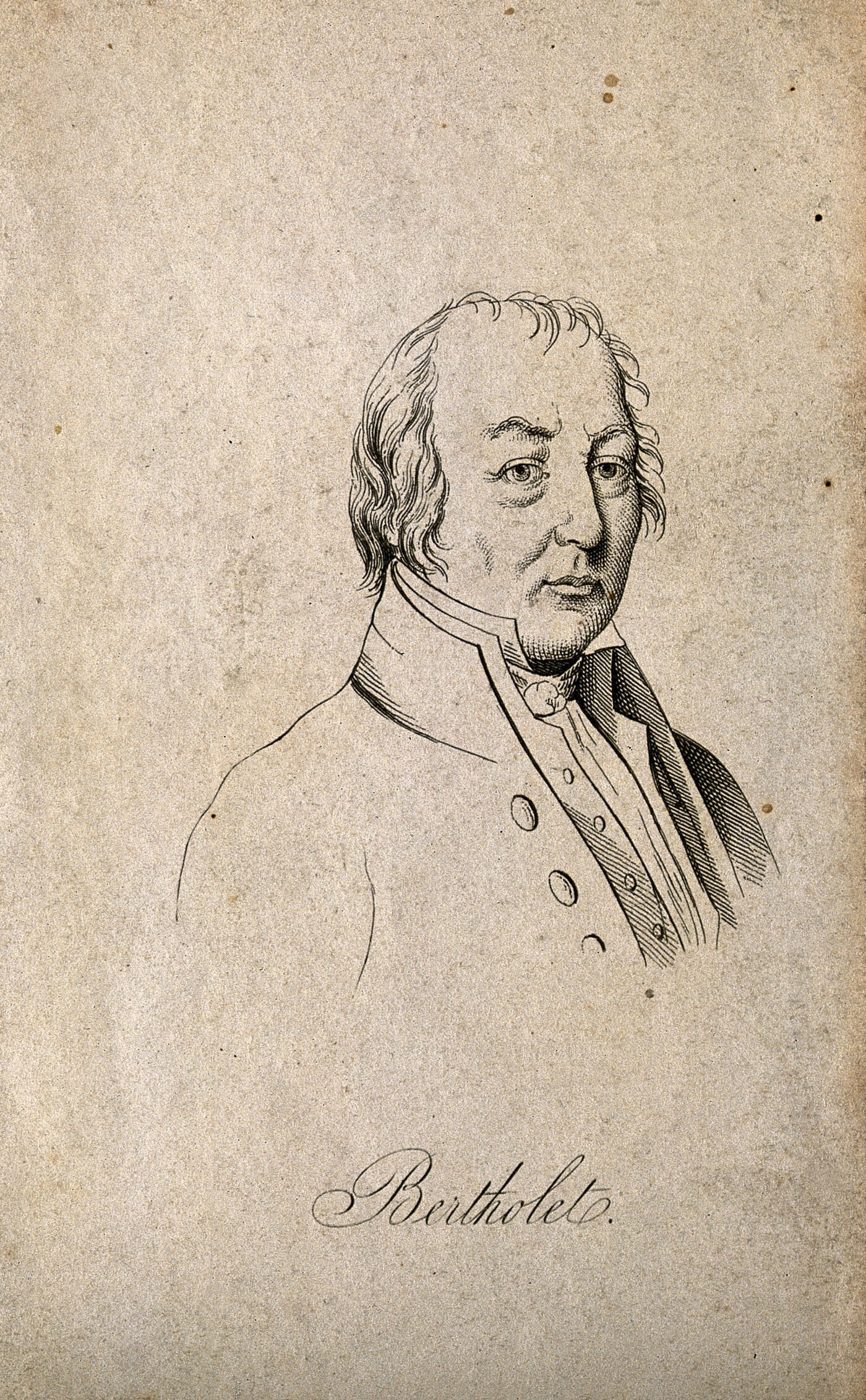
In the 1780s Berthollet made bleach at Javel, on the southwestern edge of Paris. The district gave the product its name, eau de Javel. Cielle becomes the invisible spirit of white: every bleached gown, every clean page.
Wellcome Collection (public domain)
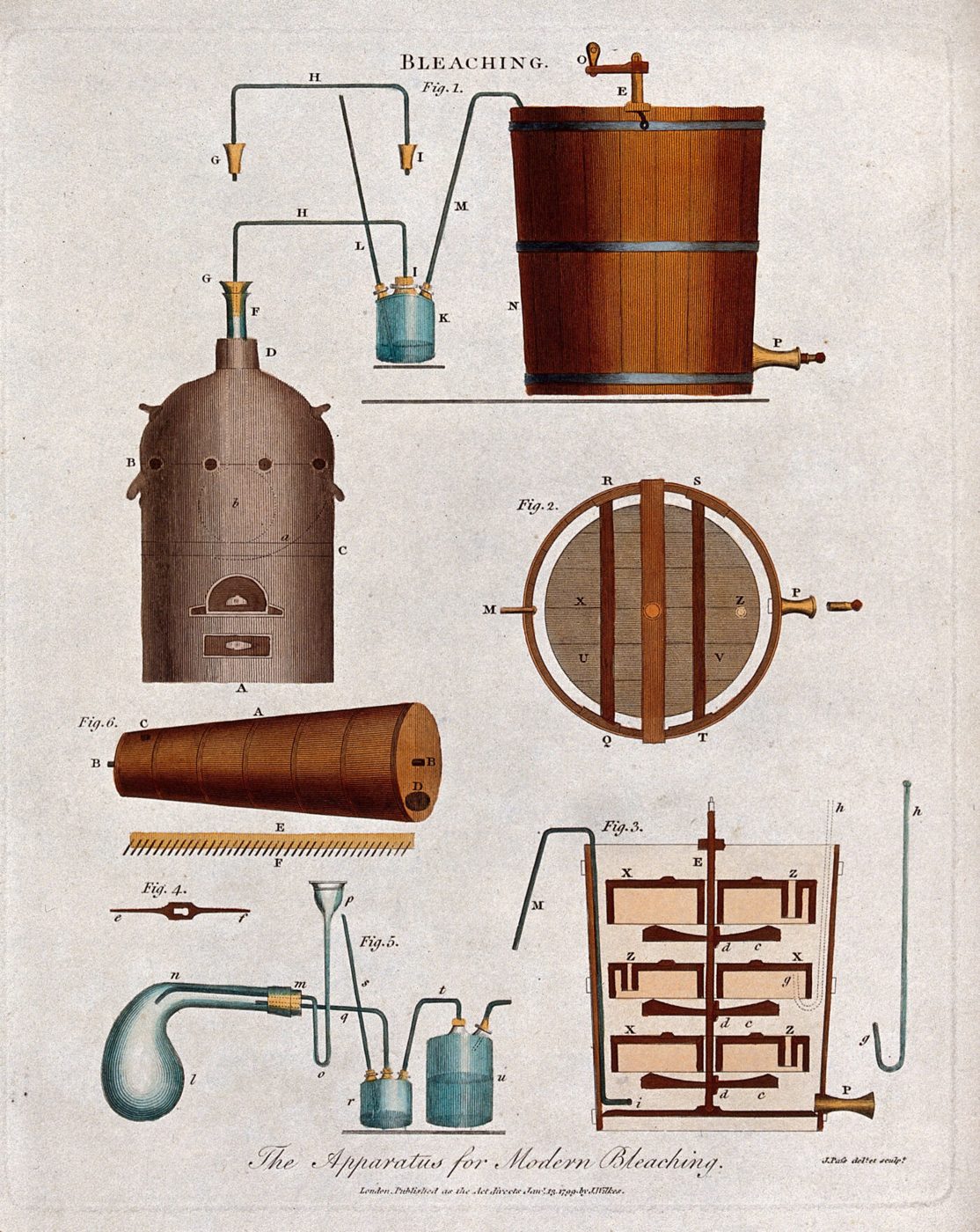
Retorts, vats and cauldrons. Bleaching moved out of the meadows, where linen had lain for months in the sun, and into the works.
Wellcome Collection (public domain)
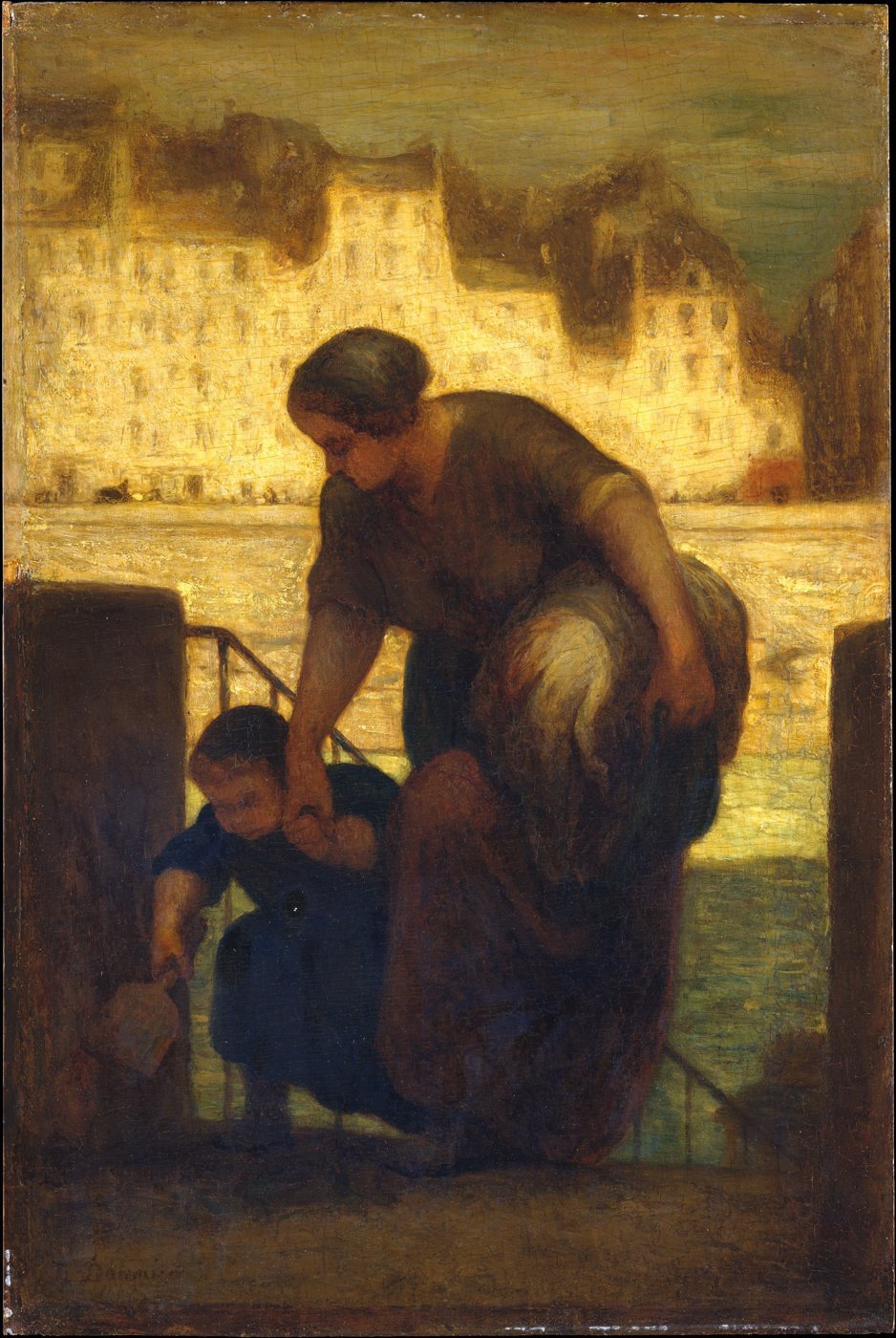
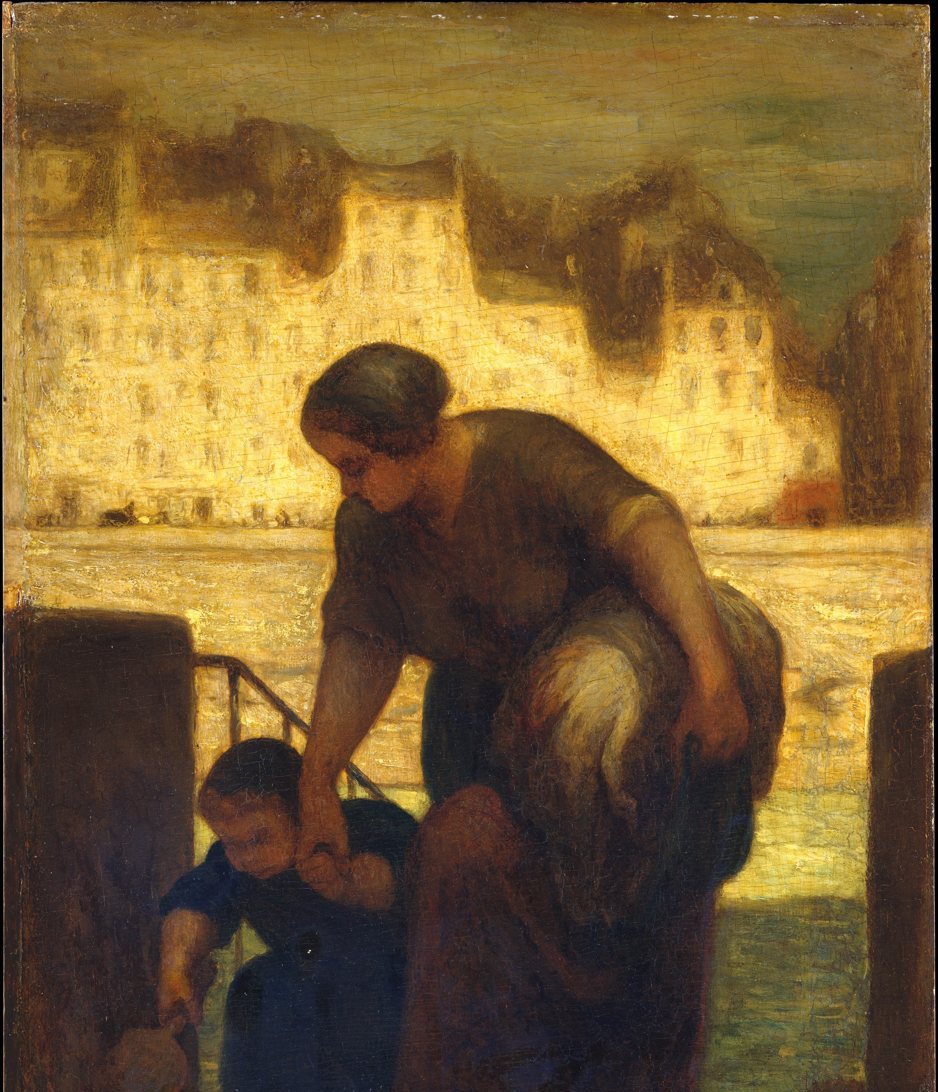
A Paris washerwoman climbs the steps from the Seine with her child and her bundle. The white of a city was carried up from the river by women like her.
Oil on wood. The Metropolitan Museum of Art (public domain)
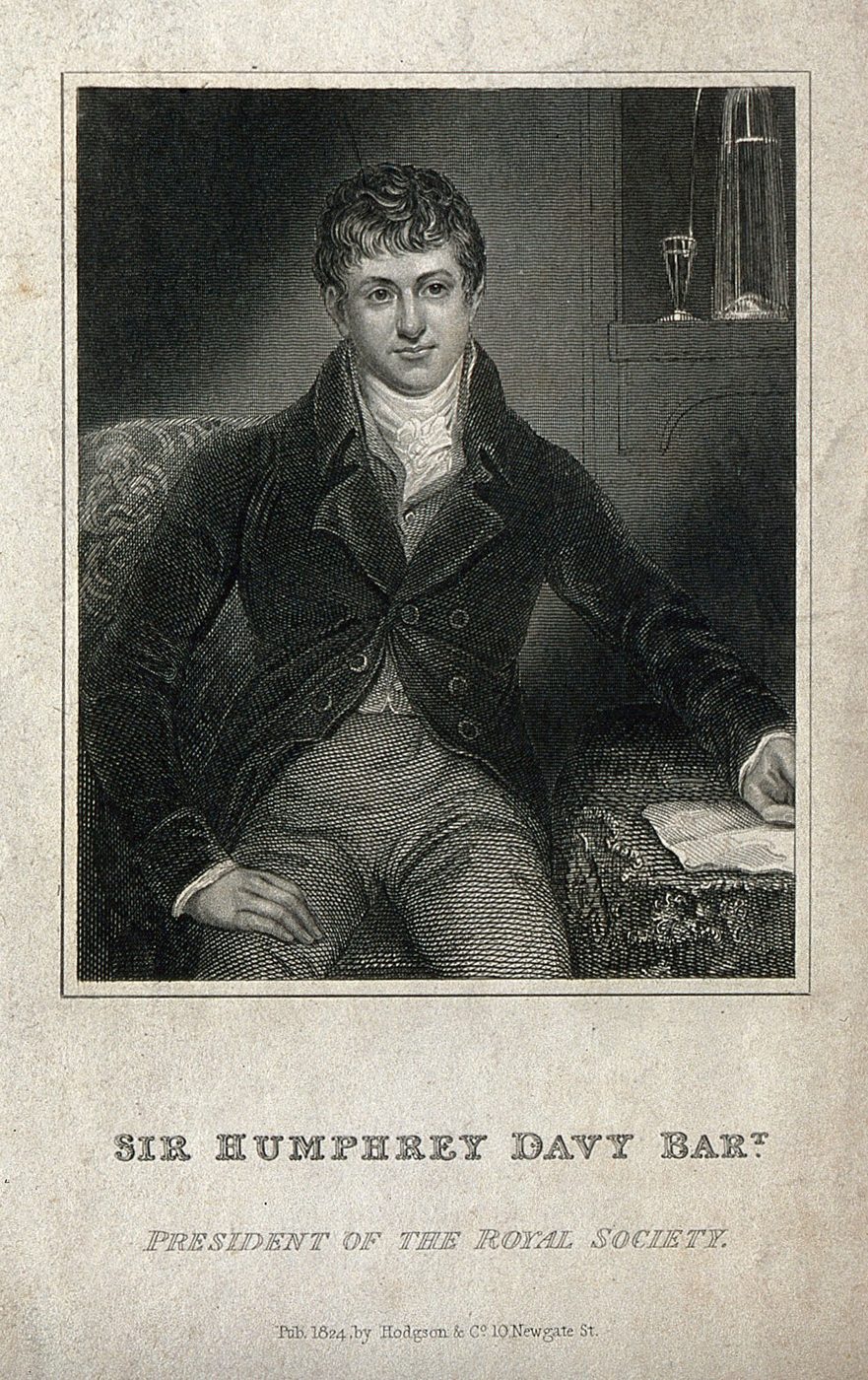
In 1810 Davy established that the green gas was an element and named it chlorine, from the Greek for pale green. Berzelius gave it its mark: Cl.
Wellcome Collection (public domain)Labarraque used chlorinated solutions as a disinfectant in hospitals and on the dead, decades before anyone knew what a germ was.
Free lesson and handout →Cholera killed thousands in Hamburg. Neighbouring Altona, which filtered its water from the same river, was very largely spared. Two maps of one river.

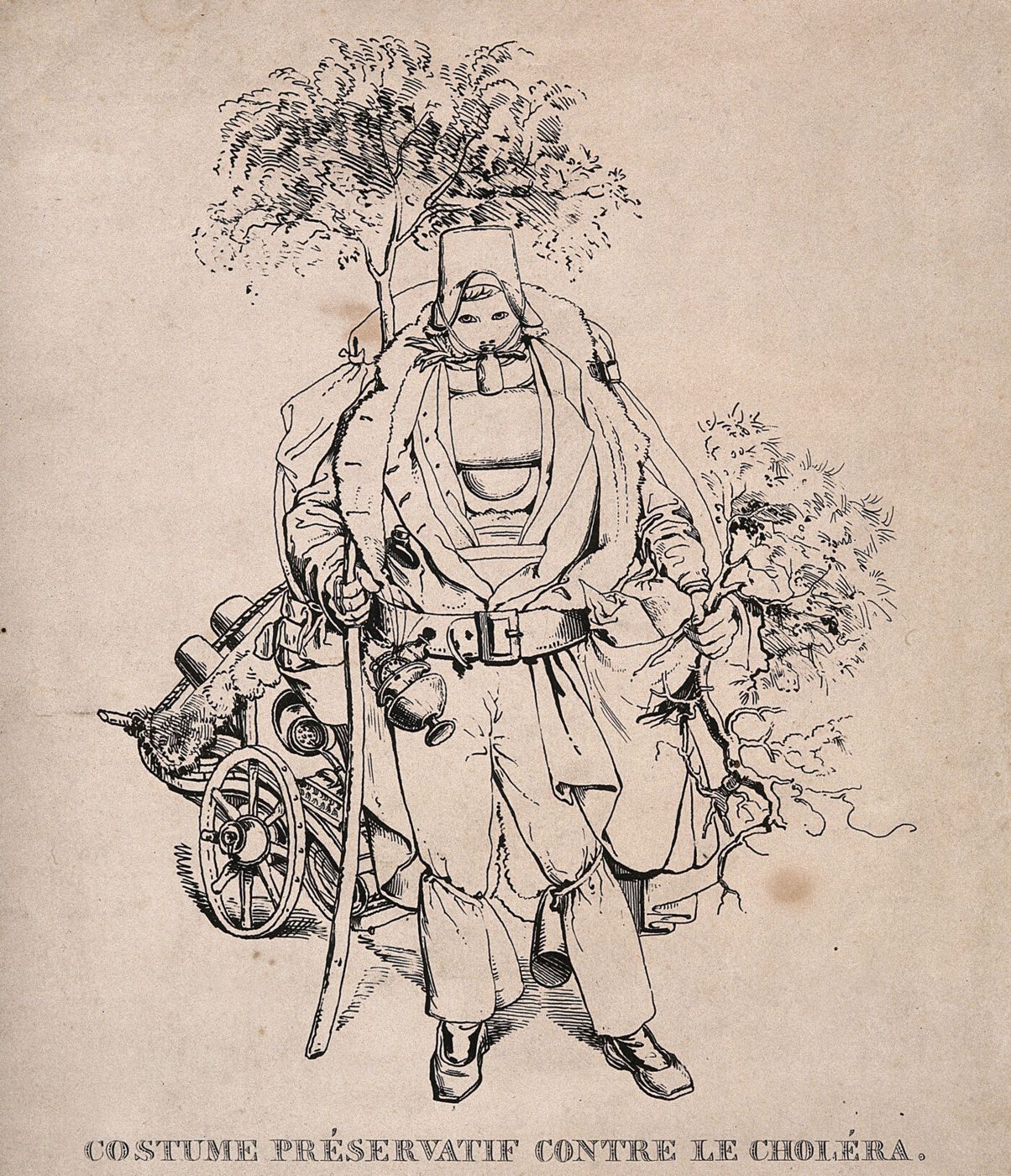
Cholera reached Paris in 1832. Nobody knew how it spread. In the novel a grand ball is destroyed in a single night, and Cielle sets down the white gown for a dead drummer boy's blue coat.
Wellcome Collection (public domain)
City water was drawn from the same rivers that took the sewage.
Wellcome Collection (public domain)
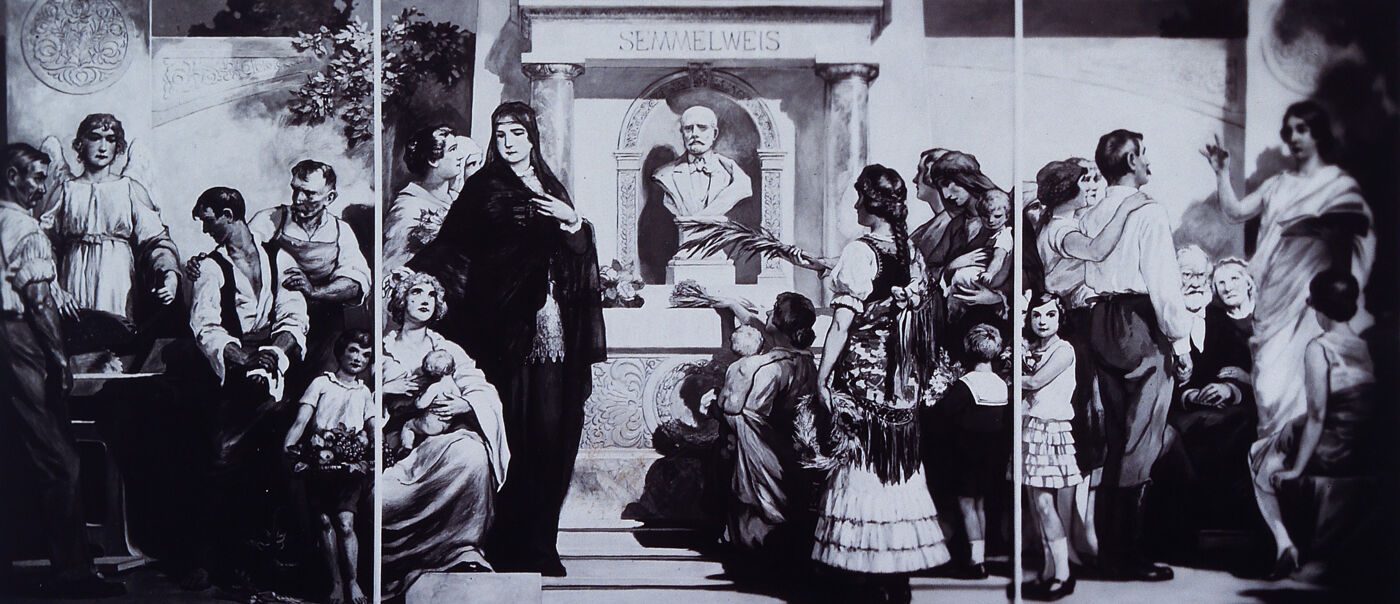
In Vienna in the 1840s Semmelweis showed that doctors carried death from the dissecting room on their hands, and made them wash in chlorinated lime. Deaths fell dramatically. He was disbelieved and died in an asylum in 1865.
Free lesson and handout →Wellcome Collection (public domain)
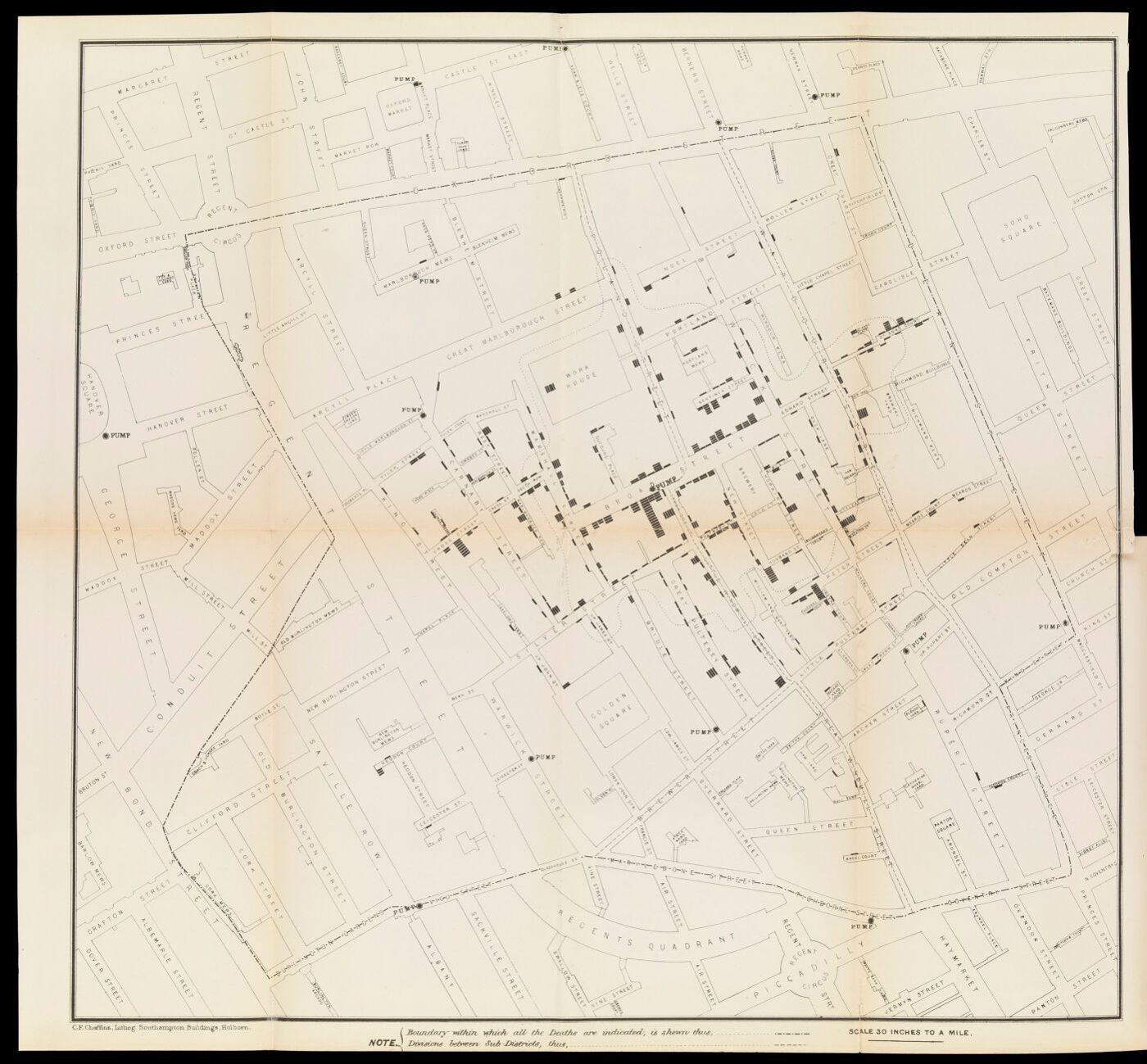
Snow mapped the deaths around the Broad Street pump and had its handle removed. He died in 1858, before the waterborne theory of cholera was accepted.
Free lesson and handout →Wellcome Collection (public domain)
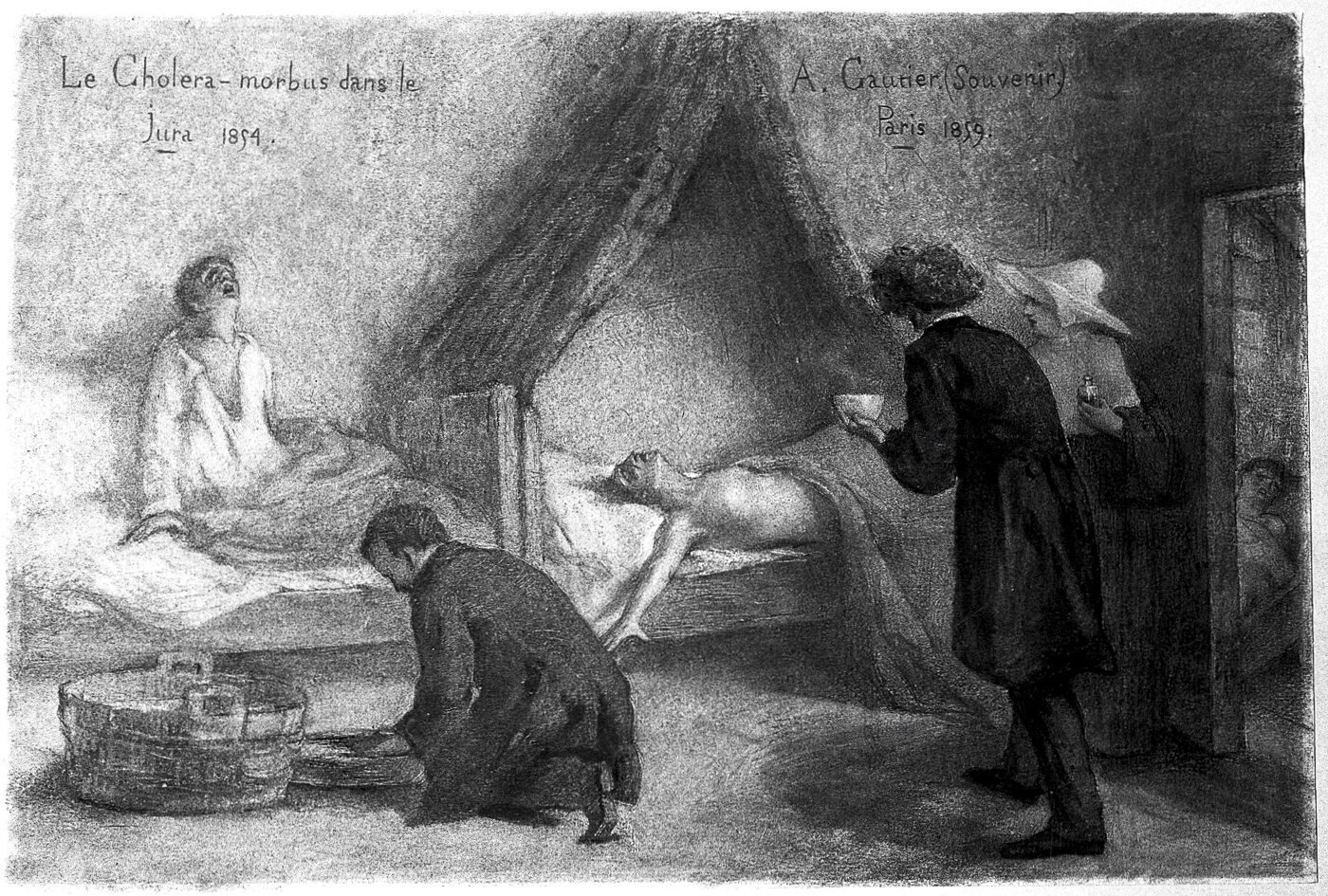
Dr Paul Gachet nursing the sick in eastern France.
Wellcome Collection (public domain)
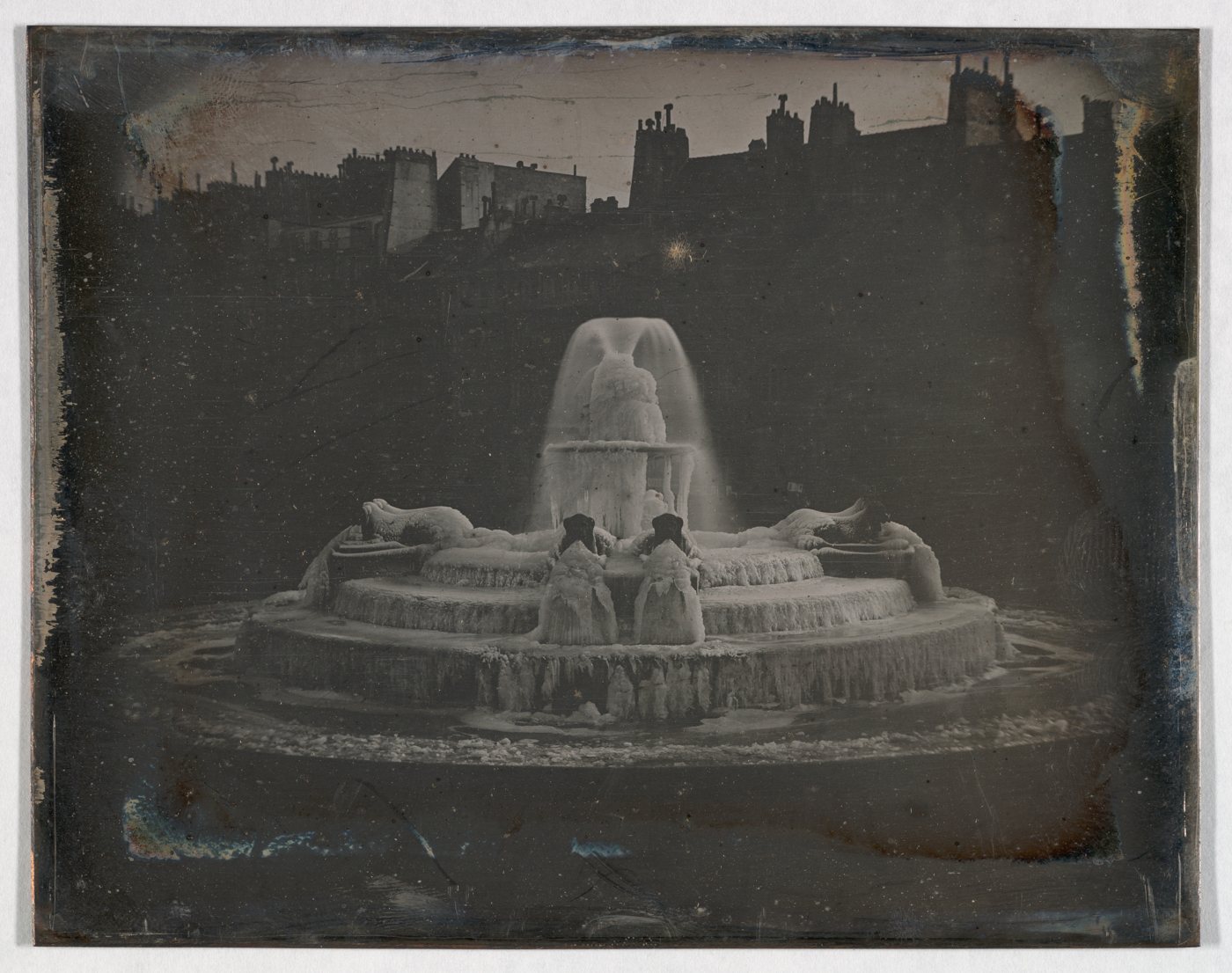
One of the earliest photographs of Paris. In 1891 a Polish student, Maria Skłodowska, comes to a fountain in Javel for clean water for her sister's baby, and meets a girl made of chlorine.
The Metropolitan Museum of Art (public domain)
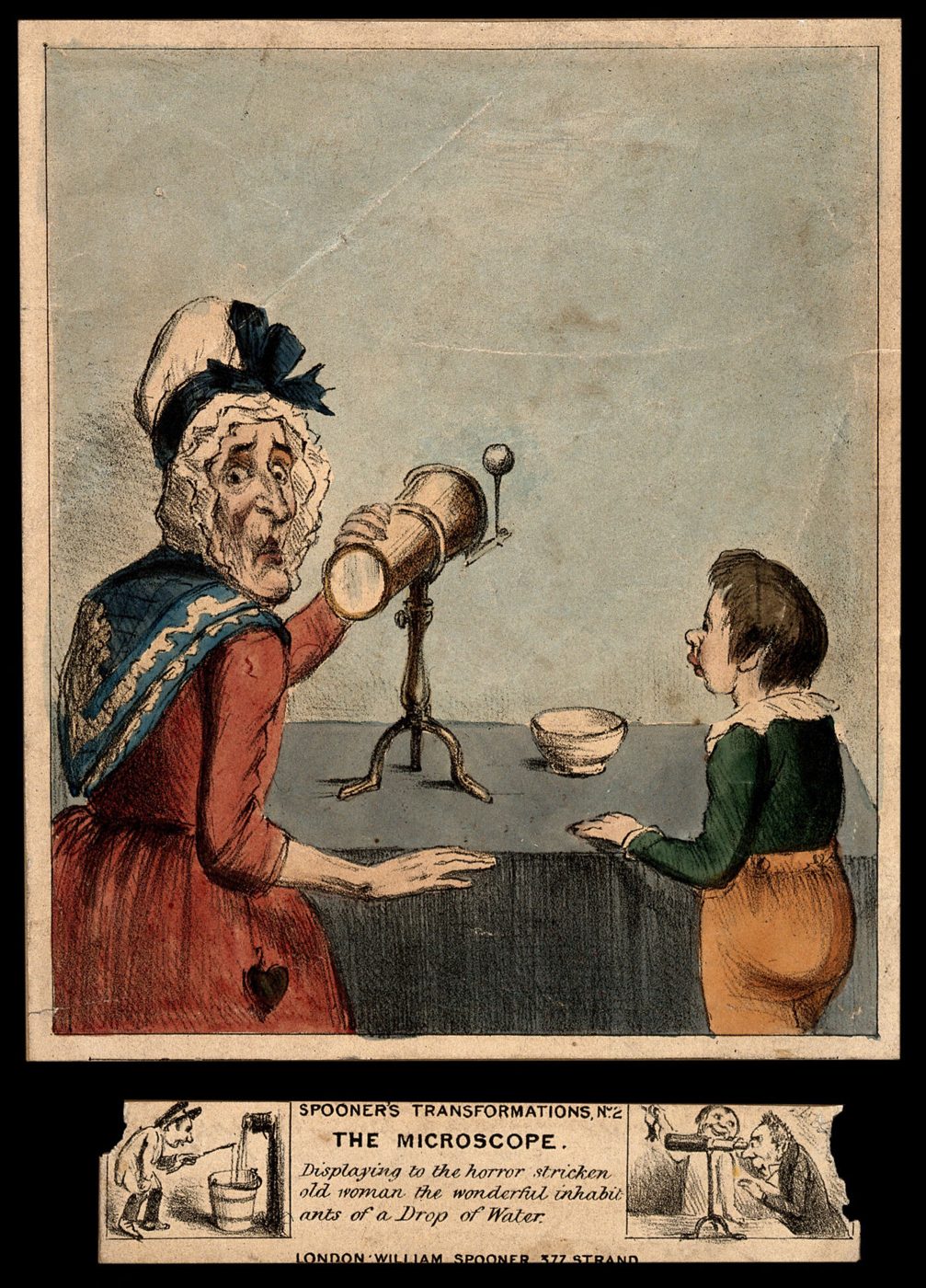
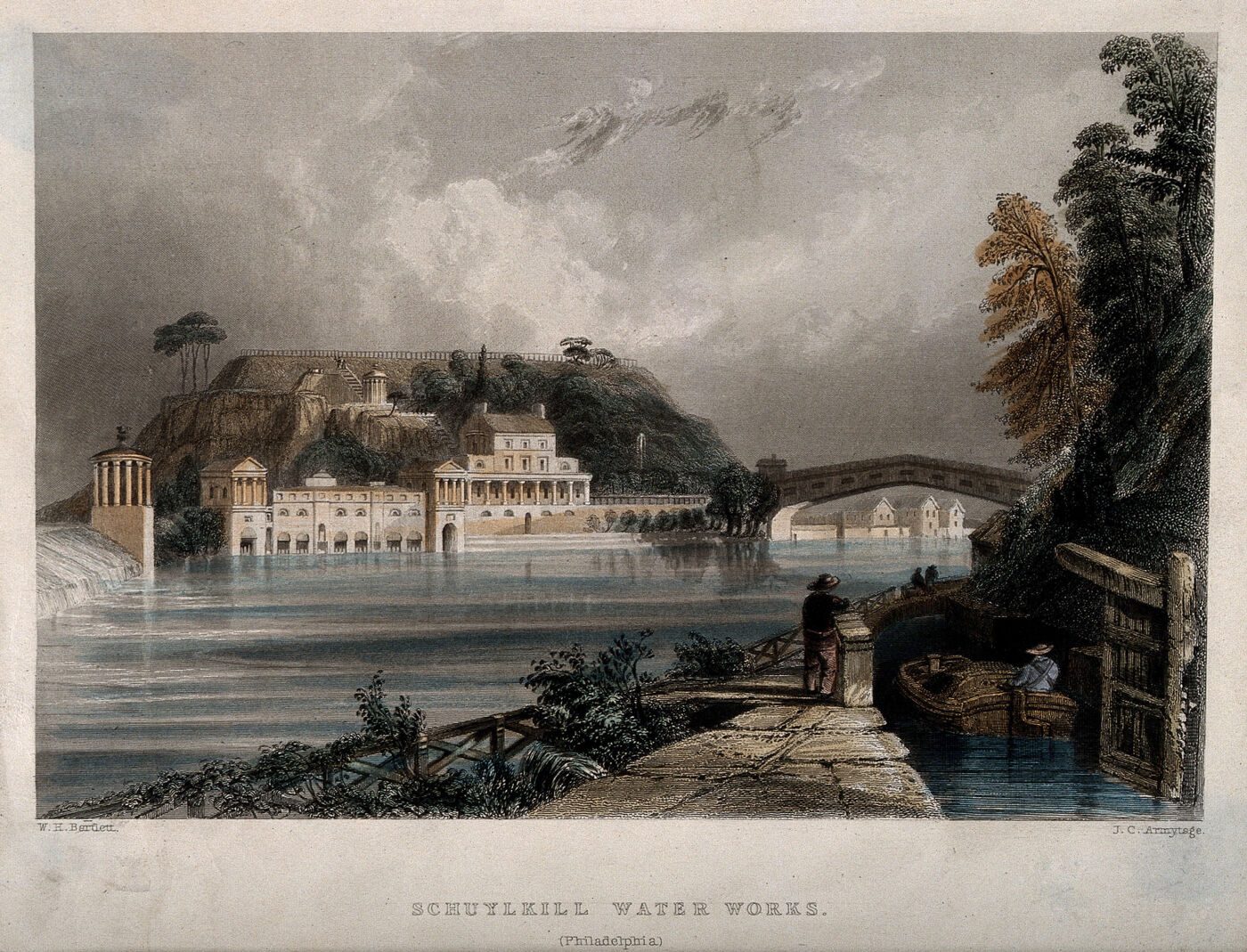
Cities built great waterworks to bring river water in. It was not yet safe. In 1897 Sims Woodhead dosed the whole water supply of Maidstone, in Kent, with chlorinated lime during a typhoid epidemic; in 1908 Jersey City began chlorinating its water continuously, and the practice spread across the world.
Wellcome Collection (public domain)
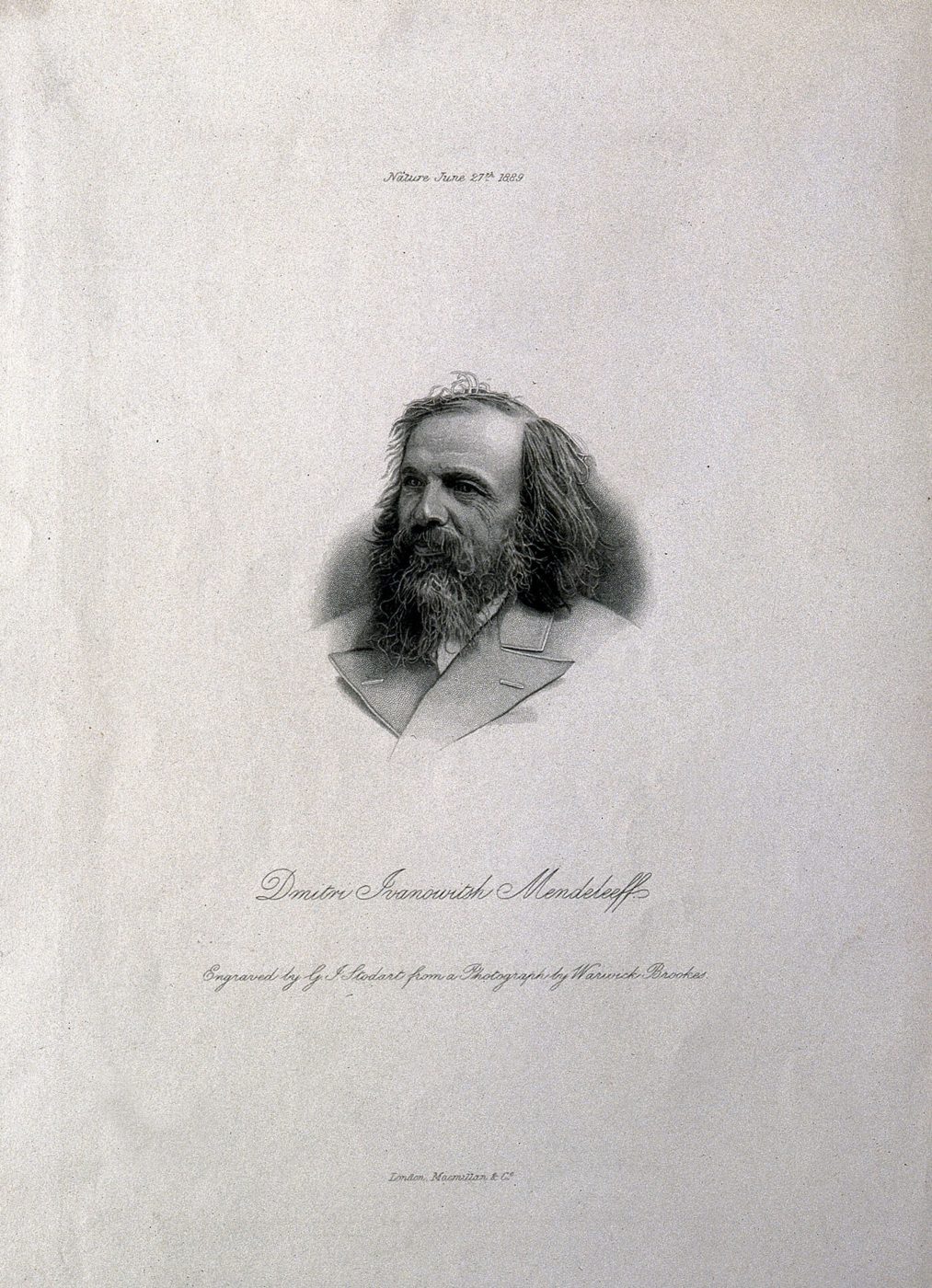
Mendeleev left gaps in his table of 1869 and named the missing elements by their places. All three were found. Chlorine sits in the family of the salt-makers, the halogens.
Free lesson and handout →Wellcome Collection (public domain)Moseley showed that atomic number orders the table (chlorine is 17) and was killed at Gallipoli in 1915. Lewis drew the electron-pair bond as dots in 1916. Bohr presented complementarity in 1927: two true things at once.

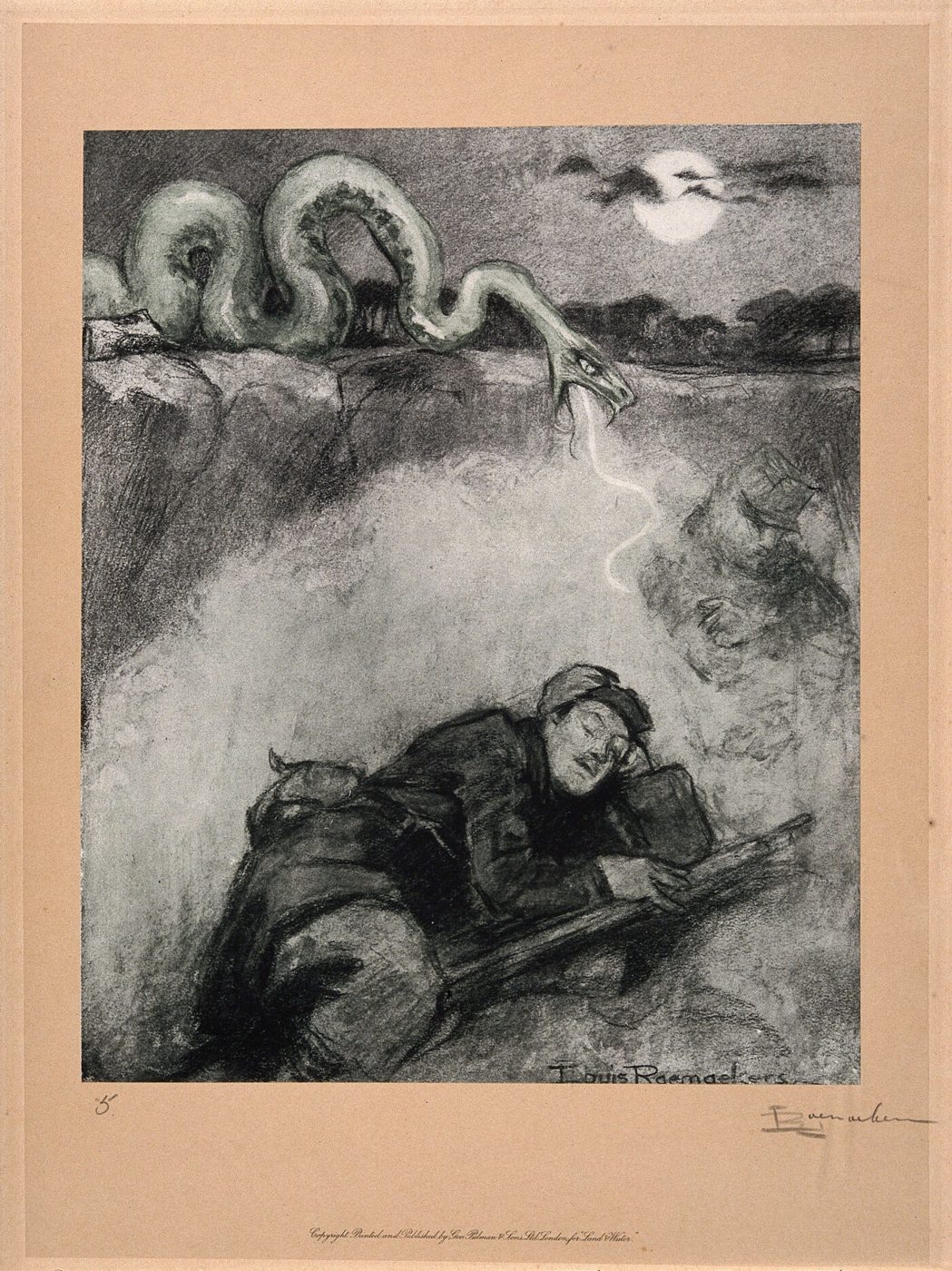
Chlorine gas was released as a weapon at Ypres on 22 April 1915. In the novel this is the break: Cielle is made the weapon, and her halo goes out.
Wellcome Collection (public domain)
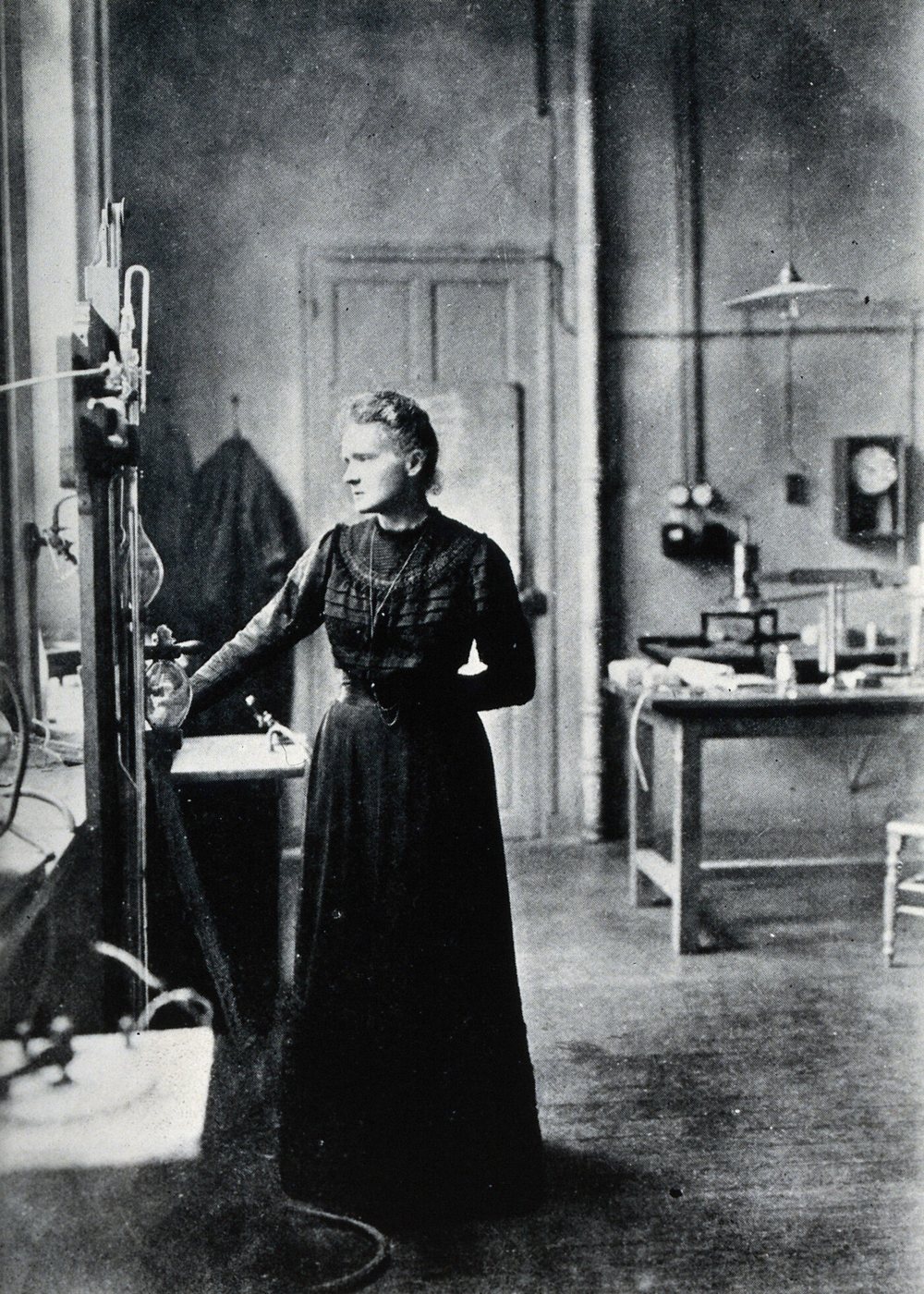
Maria Skłodowska became Marie Curie, winner of Nobel Prizes in physics (1903) and chemistry (1911). In the war she equipped and drove mobile X-ray cars, the petites Curies, to the front. She never studied chlorine. She is in the book because she gives Cielle a whole human life to watch.
Wellcome Collection (public domain)Free history pages with classroom activities and printable handouts, from the Super Elements: History of Chemistry. For the periodic table itself, play Dmitri, the free Super Elements card game.
For publishing, film and school enquiries, write to the author.
canutacier@superelements.com