Way down in the Lost Island Keys lives a mean, naughty monkey who likes to fight. Before he lands in jail or the hospital, a monkey lawyer swings in to teach him a better way: don't use your fists, use the law.
Children can understand big ideas when they are presented well. Law & Bananas teaches the law of torts — the wrongs one person can do to another, and what the law does about them — in rhyme, with monkeys, bananas and one famous banana peel. Each idea comes from a real case, and the back of the book gives grown-ups the citations.
How it begins
Way down yonder
in the Lost Island Keys
lives a mean naughty monkey
like you's and me's.
He likes to fight
and he likes to punch;
he'll get in trouble,
I have a hunch.
So, when you're mad
and feeling miffed,
just call a lawyer.
Don't use your fists.
A tort sounds yummy,
delicious and sweet,
but it's a French word,
not something to eat.
"Tort" (not tart)
means wrong in French—
this is known to
judges on the bench.
Why French? you ask,
not Latin nor Greek—
Norman crossbows
changed the English we speak.
Three kinds of wrongs
On purpose
Intentional torts: battery, assault, false imprisonment, trespass and conversion. You don't have to mean to hurt anyone, only to grab, and that's intent. Plus the excuses: consent, self-defense and necessity.Not careful
Negligence and the famous banana peel. What would a reasonable monkey do? Count the five elements on one small paw: duty, breach, cause, proximate cause and damages.No excuses
Strict liability: keep a tiger, store explosives, or sell a cracked banana-peeler, and you pay for the harm even if you were careful. Then words and privacy, and who pays the bill.The real cases, for grown-ups
Every rhyme rests on a real decision. A few of the cases behind the book:
- Garratt v. Dailey (Wash. 1955) — what intent means
- Vosburg v. Putney (Wis. 1891) — a little kick, a big injury
- Fisher v. Carrousel Motor Hotel (Tex. 1967) — "my plate was right in my paw"
- I de S et Ux v. W de S (1348) — assault without a touch
- Ploof v. Putnam (Vt. 1908) and Vincent v. Lake Erie (Minn. 1910) — the storm and the dock
- Vaughan v. Menlove (1837) — the reasonable person
- Byrne v. Boadle (1863) — the falling flour barrel, res ipsa loquitur
- Palsgraf v. Long Island Railroad (N.Y. 1928) — proximate cause
- Summers v. Tice (Cal. 1948) — two hunters, whose shot was it?
- Rylands v. Fletcher (1868) — strict liability
- Escola v. Coca-Cola Bottling (Cal. 1944) — products liability
- New York Times v. Sullivan (1964) — defamation and truth
Tort law varies from state to state. This is a book for learning, not legal advice.
Monkeys in old art
Artists have dressed monkeys up as people, judges and critics for centuries. These are historical works, not illustrations for the book.
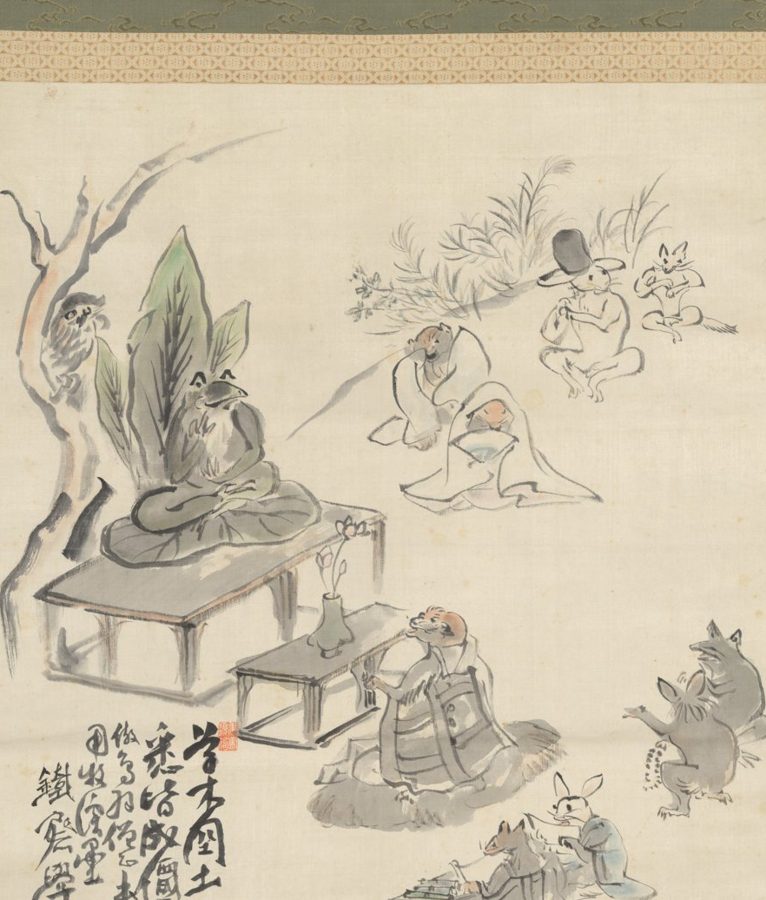
After the twelfth-century Japanese scrolls in which monkeys, rabbits and frogs act out human life.
The Met, public domain
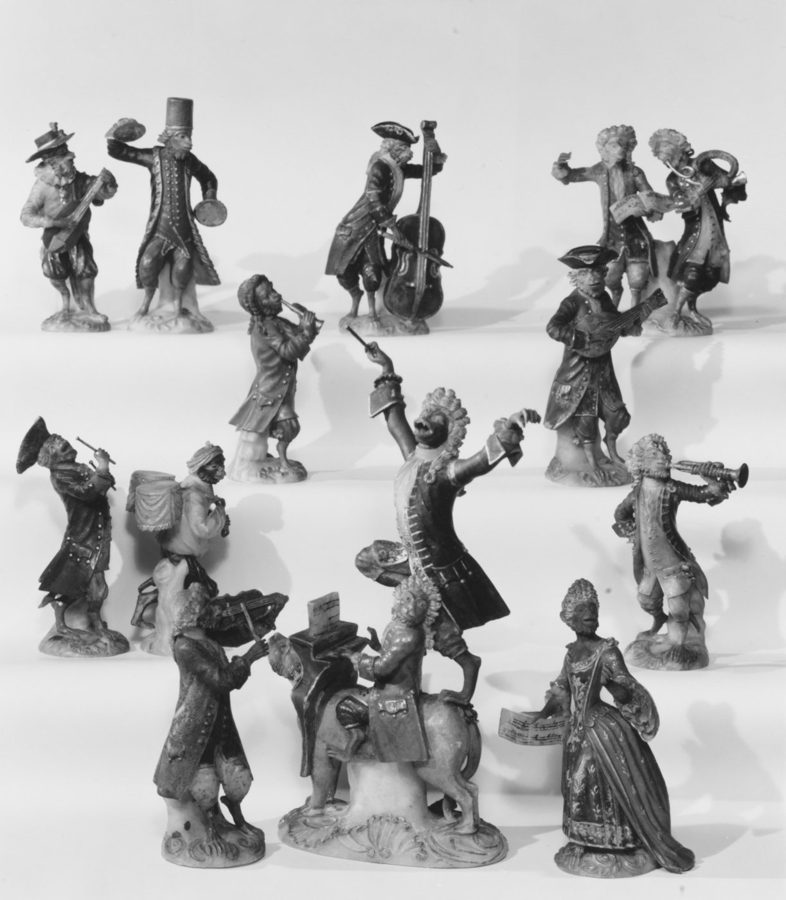
Monkeys in powdered wigs and court dress, a joke on the fashions of the day.
The Met, public domain
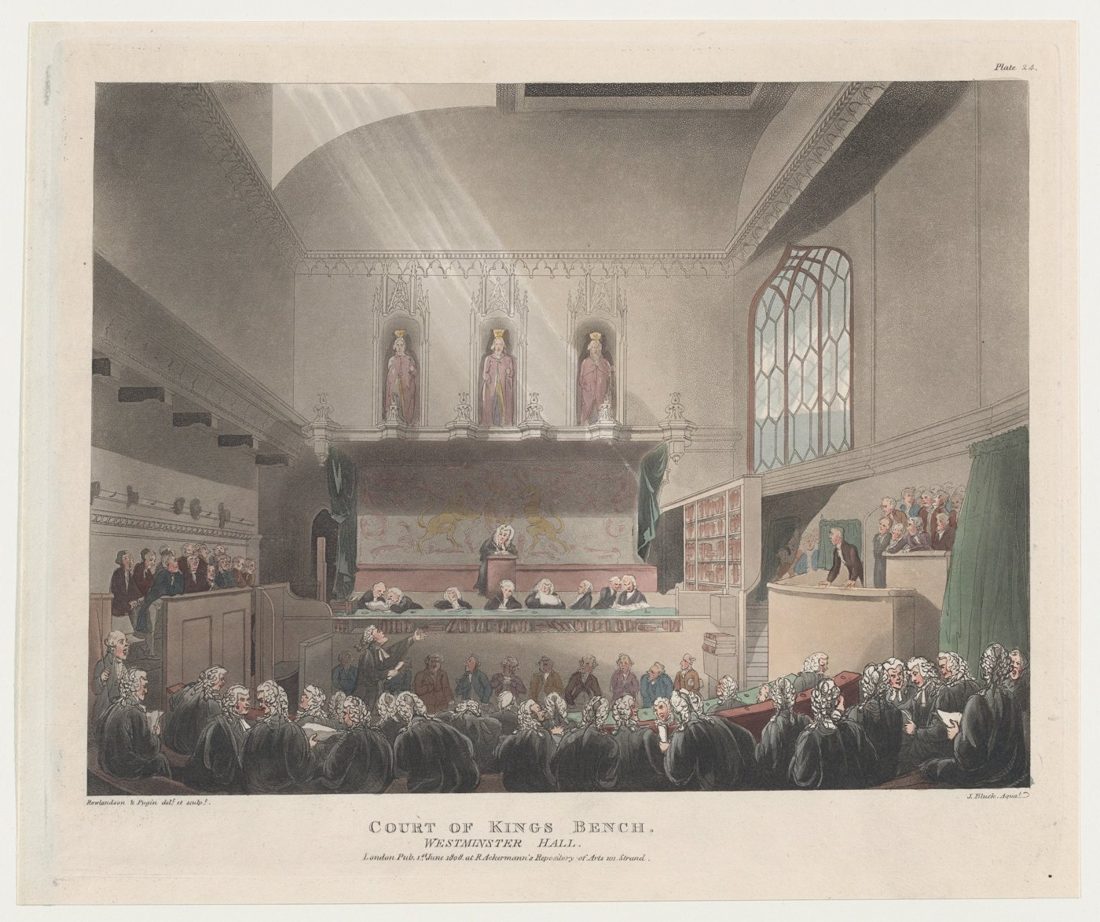
The English court where many of the old cases in the book were argued, in Westminster Hall.
The Met, public domain
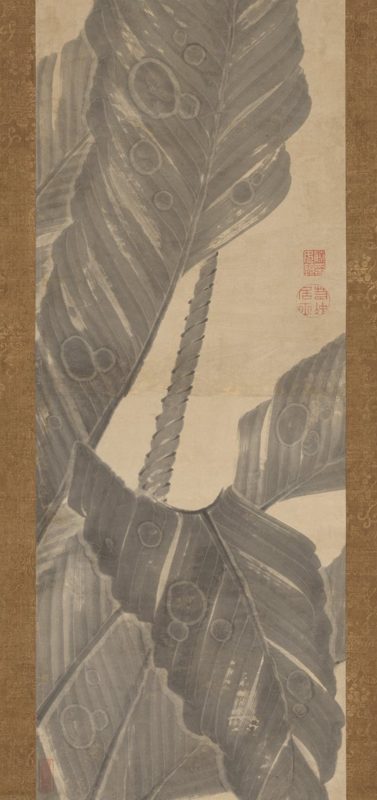
An ink painting of the plant itself, by one of Japan's great painters of nature.
The Met, public domain
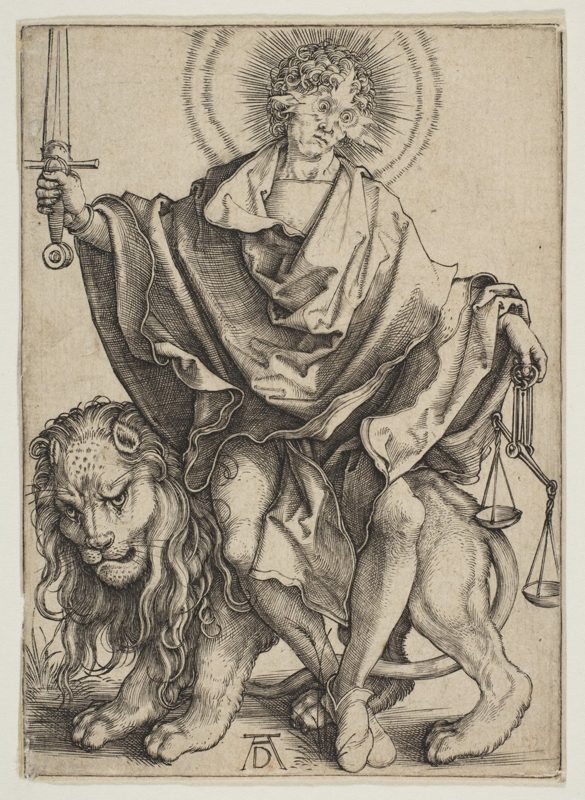
Justice with her sword and scales, seated on a lion.
The Met, public domain
From the same author
Oliver, Wendell and Lexi, a children's series on the common law. The Super Elements, the periodic table as superheroes. And two historical novels, Peachfire and Appelle-moi Ciel.
Teachers, librarians and publishers: canutacier@superelements.com