Oliver, Wendell and Lexi is a series for children about the common law: the law that judges build one case at a time, by deciding real arguments between real people and then following what was decided before.
It comes from the same idea as Law & Bananas: children can understand the big ideas of law, like fairness, precedent and the right to be heard, when the ideas are presented well.
What is the common law?
Most rules children know are written down in advance. The common law grew the other way. For more than eight hundred years, English judges settled quarrels over land, promises and injuries, and each decision became a guide for the next case like it. Lawyers call that precedent, and the habit of following it stare decisis: let the decision stand.
The common law crossed the Atlantic with the colonists. It still shapes the law in the United States, Canada, Australia, India and many other countries. When a court today decides what "reasonable care" means, it is adding a page to a book that has been written since the Middle Ages.
In 1881 a Boston lawyer named Oliver Wendell Holmes Jr., later a justice of the Supreme Court, published a book called The Common Law. Its most famous line: "The life of the law has not been logic: it has been experience."
The history, in pictures
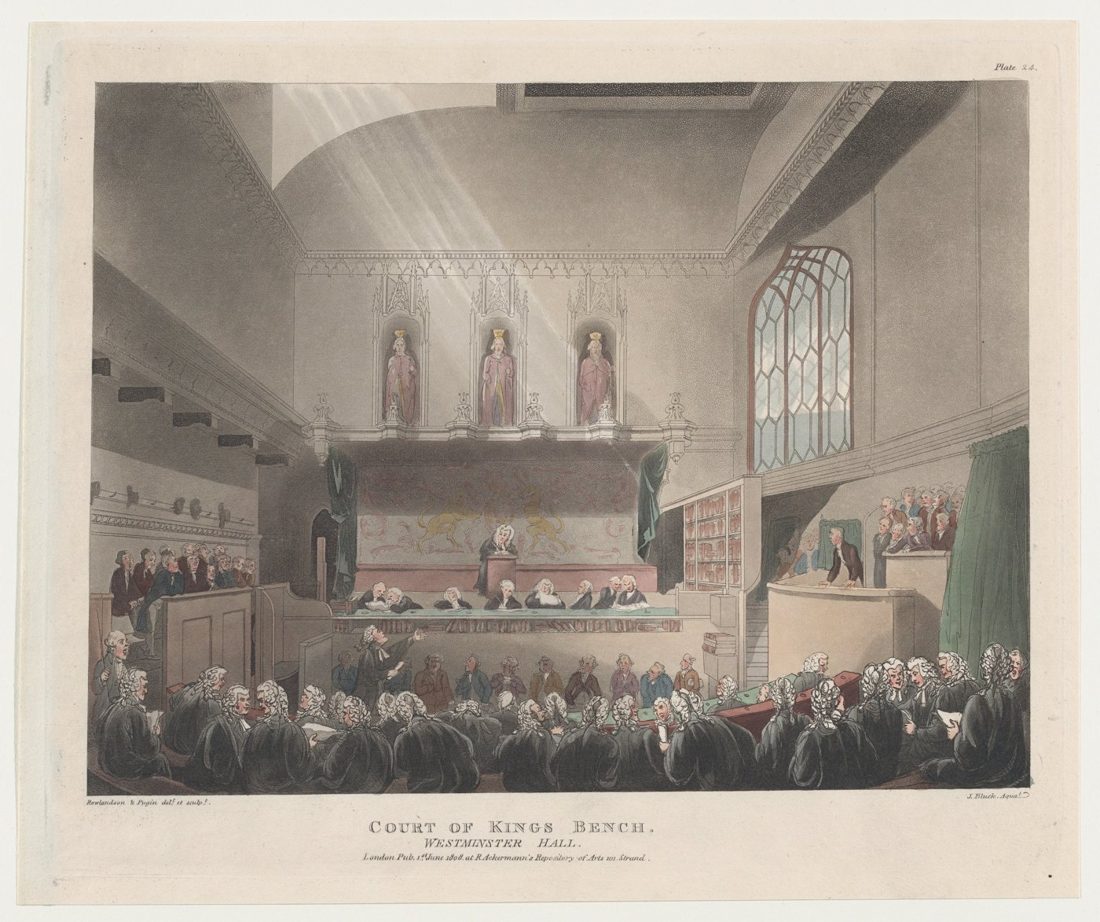
Judges in red robes and lawyers in wigs, hearing cases inside Westminster Hall.
The Met, public domain
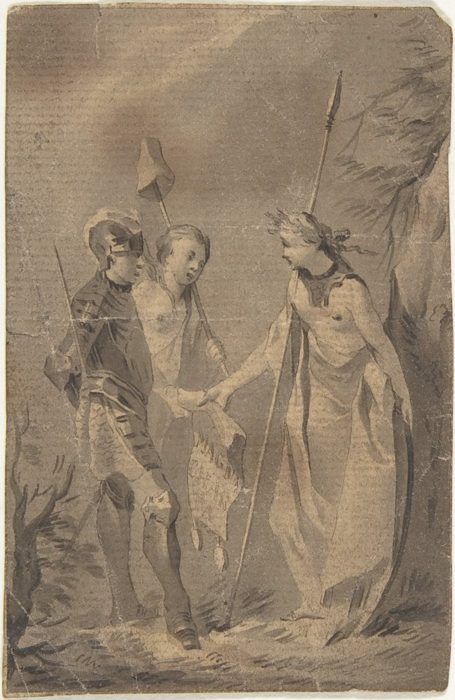
An allegory of the 1215 charter, which promised that no free man would be punished except by the lawful judgment of his peers or the law of the land.
The Met, public domain
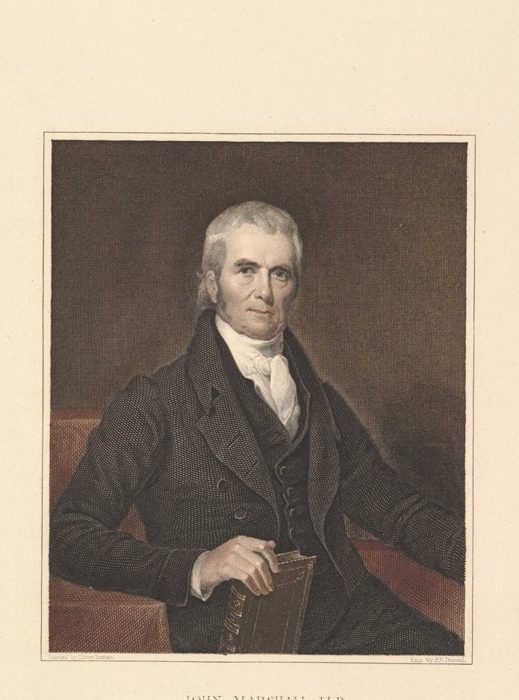
The American chief justice whose decisions, built on the common-law habit of reasoning from cases, shaped the young republic's courts.
The Met, public domain

Justice with her sword and scales: the old picture of a fair judge.
The Met, public domain
From the same author
Law & Bananas: Torts for Tots, a rhyming book that teaches tort law with monkeys and bananas. The Super Elements, the periodic table as superheroes. And two historical novels, Peachfire and Appelle-moi Ciel.
Teachers, librarians and publishers: canutacier@superelements.com